
CSS selectors never cease to amaze me in how powerful they can be in matching complex patterns. Most of that flexibility is in parent/child/sibling relationships, very seldomly in value matching. Consider my surprise when I learned that CSS allows matching attribute values regardless off case!
Adding a {space}i to the attribute selector brackets will make the attribute value search case insensitive:
/* case sensitive, only matches "example" */
[class=example] {
  background: pink;
}

/* case insensitive, matches "example", "eXampLe", etc. */
[class=example i] {
  background: lightblue;
}
The use cases for this i flag are likely very limited, especially if this flag is knew knowledge for you and you’re used to a standard lower-case standard. A loose CSS classname standard will have and would continue to lead to problems, so use this case insensitivity flag sparingly!


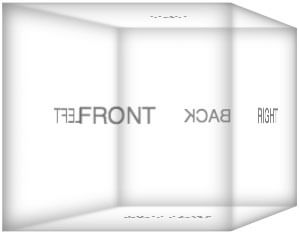
Create a CSS Cube
CSS cubes really showcase what CSS has become over the years, evolving from simple color and dimension directives to a language capable of creating deep, creative visuals. Add animation and you’ve got something really neat. Unfortunately each CSS cube tutorial I’ve read is a bit…

Create a Photo Stack Effect with Pure CSS Animations or MooTools
My favorite technological piece of Google Plus is its image upload and display handling. You can drag the images from your OS right into a browser’s DIV element, the images upload right before your eyes, and the albums page displays a sexy photo deck animation…
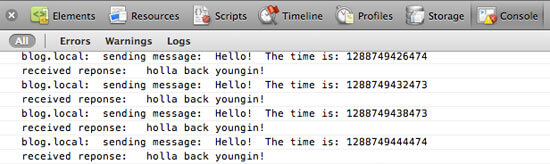
HTML5’s window.postMessage API
One of the little known HTML5 APIs is the window.postMessage API.
window.postMessageallows for sending data messages between two windows/frames across domains. Essentially window.postMessage acts as cross-domain AJAX without the server shims. Let’s take a look at howwindow.postMessageworks and how you…