
 April 20, 2010: A day after the most high-profile iPhone leak in history, tech news site Gizmodo dissects a prototype iPhone 4, then publishes the teardown — showing the world exactly what’s inside the soon-to-be-released device.
The iPhone 4 prototype, accidentally left in a bar by 27-year-old Apple software engineer Gray Powell, quickly becomes the biggest story in the tech world. And that’s where the trouble begins.
Gizmodo and the iPhone prototype leak of the century
In 2010, when the iPhone was still new and Apple ran the most secure ship in Silicon Valley, the misplaced prototype smashed the company’s aura of secrecy. It resulted in a media frenzy, a police raid on a journalist’s home — and a public debate over how far Apple would (and should) go to control its narrative.
Gizmodo bought the iPhone 4 prototype for $5,000 from a bar patron who found it after Powell’s historic screwup. The tech publication began posting a series of stories that fueled a massive controversy, not least because of Apple’s reaction to the revelations about its disguised prototype.
Gizmodo’s first hands-on look at the iPhone 4 came on April 19, one-and-a-half months before Steve Jobs introduced the device at Apple’s Worldwide Developers Conference (the last iPhone introduction of his career).
Although the prototype iPhone 4 was disguised as an iPhone 3GS, Gizmodo’s teardown revealed details about upcoming design changes, including its larger battery and its thinner, more squared-off form factor.
iPhone 4 prototype fuels controversy
Some observers accused Gizmodo of breaking the law by buying the prototype. The biggest controversy, however, resulted from Apple’s aggressive response to the leak.
A week after Gizmodo’s big scoop, police raided the apartment of Gizmodo editor Jason Chen. The raid was ordered by the Rapid Enforcement Allied Computer Team, a California task force commissioned to investigate high-tech crimes. Apple was a member of the task force’s steering committee.
During the raid, police broke through Chen’s door after he failed to answer it. They did not arrest the editor, who was out at the time. However, police seized external hard drives, four computers, two servers, phones and other items from his home.
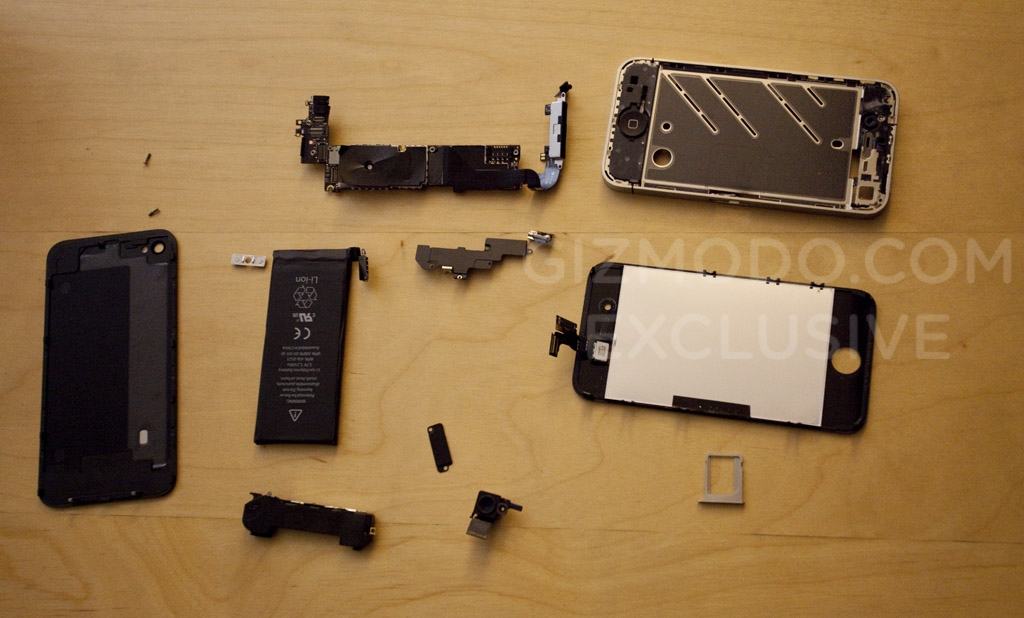
Photo: Gizmodo
Apple becoming Big Brother?
The law enforcement action raised many questions about Apple, dividing public opinion about the company’s actions. On the one hand, Gizmodo owned up to purchasing an iPhone 4 prototype. But a backlash developed against Apple. To some, it appeared that the company’s insistence on control and secrecy tipped into arrogance.
The Gizmodo standoff came not long after Apple settled a lawsuit with reporter Nick Ciarelli, resulting in the shuttering of Think Secret. The massively popular Apple rumor site run by Ciarelli had broken several high-profile stories.
At the time, The Daily Show’s Jon Stewart gave voice to growing concerns about Apple’s power and influence.
“You guys were the rebels, man, the underdogs,” Stewart said on his popular cable show. “But now, are you becoming The Man? Remember back in 1984, you had those awesome ads about overthrowing Big Brother? Look in the mirror, man!”
Fortunately, Powell — the engineer who lost the iPhone 4 prototype — kept his job with Apple. He continued to work on iOS software until 2017. Somewhat amusingly, he listed “security engineering and architecture” as his job title on his LinkedIn profile.