Print Speed vs Volumetric Flow: Why They Are Not the Same
Two printers can run the same mm/s while demanding completely different amounts of melted plastic. Volumetric flow explains the difference.
4 min readSelected 3D-printing and maker-tech articles from the Techmins archive.
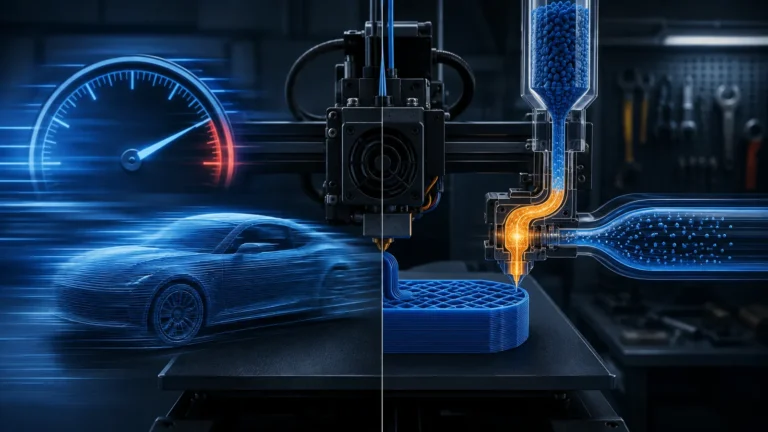
Two printers can run the same mm/s while demanding completely different amounts of melted plastic. Volumetric flow explains the difference.
4 min read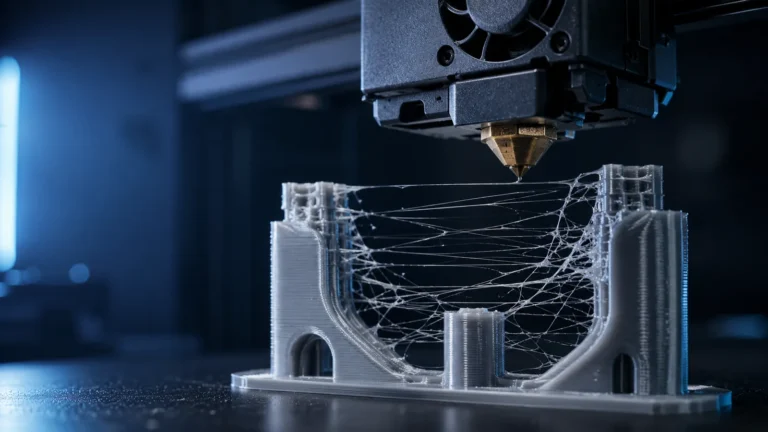
PETG stringing is a symptom, not a single setting. The fastest fix starts by identifying whether the cause is heat, moisture, pressure or travel behavior.
4 min read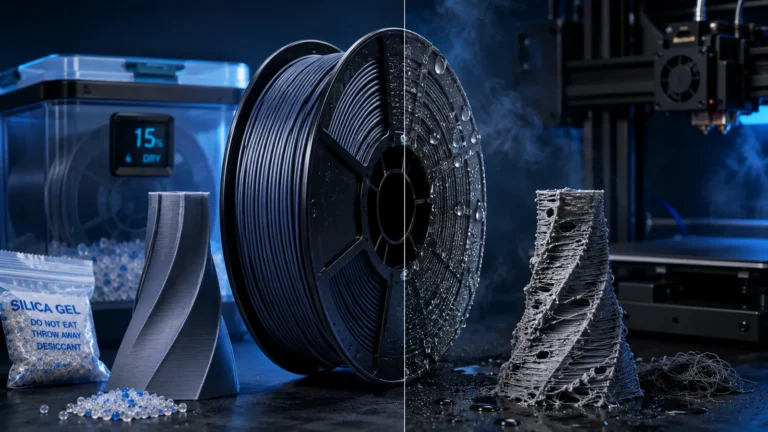
Moisture affects polymers differently. This article explains what happens inside filament before it ever reaches the nozzle.
4 min read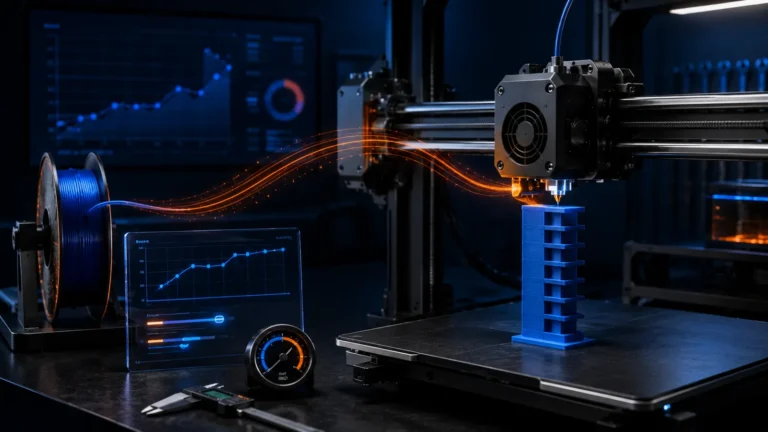
Find the maximum stable material flow for your printer and filament instead of guessing at speed limits.
4 min read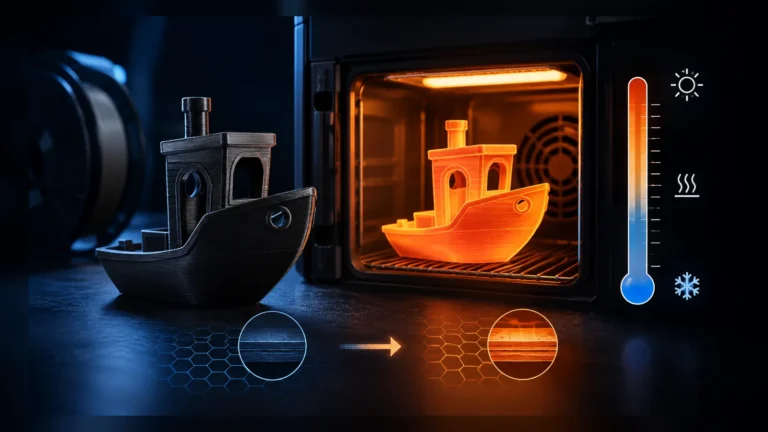
A structured PETG stringing workflow that finds the cause instead of changing random slicer settings.
4 min read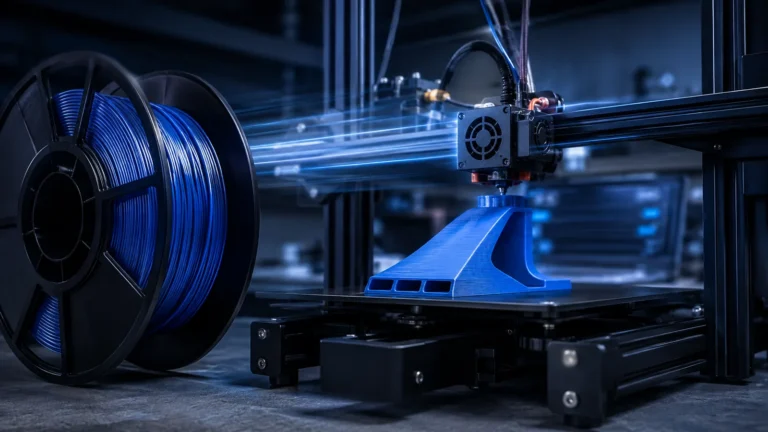
High-speed filament is designed to melt and flow reliably at higher throughput. Here is what actually changes — and what your printer still has to do.
3 min read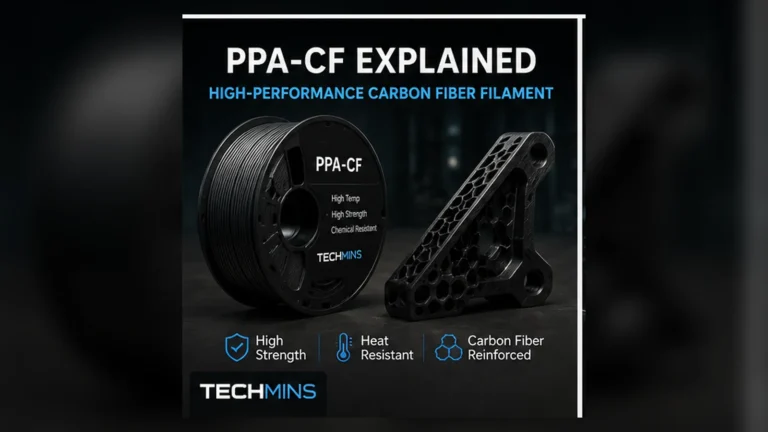
PPA-CF sits above ordinary PA-CF for demanding engineering parts, but it requires high temperatures, aggressive drying and suitable hardware.
3 min read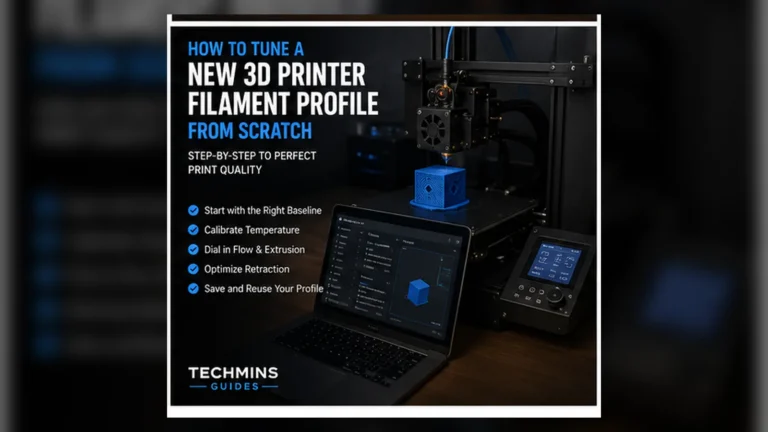
Build a reliable filament profile in the right order: temperature, flow, pressure advance, cooling, retraction and maximum volumetric speed without letting one calibration hide another.
2 min read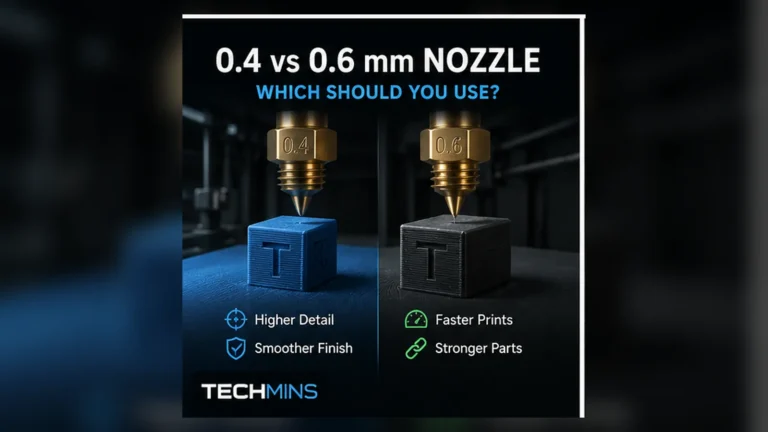
A 0.6 mm nozzle can reduce print time and build thicker walls efficiently without ruining normal functional parts.
2 min read
A practical material-selection framework based on heat, UV exposure, impact, stiffness, chemical environment and printer capability — not filament popularity.
5 min read